Most couples eventually fall into a comfortable rhythm of domestic life. While stability is vital for a long-term relationship, routine can sometimes stifle excitement and emotional growth. This is where the concept of 'sweat equity' comes in—investing physical effort to yield emotional returns. Training together forces you out of the domestic sphere and into a space of shared challenge. It is not merely about getting fit or looking better; it is about witnessing your partner in a raw, vulnerable state and pushing through barriers side-by-side. When you replace a passive activity like watching television with an active one, you change the dynamic of your interaction completely, fostering a connection that conversation alone often cannot achieve.
The biological impact of shared exertion
There is a compelling chemical component to exercising with a partner. When you engage in vigorous physical activity, your body releases endorphins and dopamine, the brain's 'feel-good' chemicals. When this biochemical rush is experienced in the company of your spouse or partner, your brain creates a powerful association. In psychology, this is often linked to the concept of 'misattribution of arousal'. Your pulse races and your palms sweat from the treadmill, but your brain attributes some of that excitement to the person standing next to you. This creates a subconscious loop of positive reinforcement, where your partner becomes a signal for feeling good, energetic, and alive, reigniting the spark that can dim over years of familiarity.
Aligning your goals and motivations
Pursuing a shared objective—whether it is completing a Couch to 5K programme or mastering a complex yoga pose—creates a unique camaraderie. In this context, you are no longer just housemates managing bills and chores; you are teammates relying on one another for success. This alignment fosters a deep sense of solidarity. When one of you wants to quit, the other provides the necessary push, and when one succeeds, both share the victory. This dynamic of mutual reliance builds a specific type of trust—a belief that your partner will support you when things get difficult—which transcends the gym floor and strengthens the foundations of your daily life.
Synchronicity and non-verbal communication
There is a subtle magic in moving together. This is often called 'mimicry' or 'mirroring' in behavioural science. When couples run in step or lift weights in the same rhythm, they engage in non-verbal matching. This physical synchrony has been shown to increase feelings of empathy and cooperation within a pair. You learn to read your partner’s physical cues—their fatigue, their determination, their limits—without a word being spoken. This heightened awareness of one another’s physical state inevitably translates into better emotional attunement outside of your workout sessions, helping you navigate conflicts and stress with greater intuitive understanding.
Breaking the boredom loop with novelty
Long-term relationships often suffer from a lack of novelty, which can lead to a feeling of stagnation. Doing the same workout routine might eventually become stale, but trying a new physical activity together is a powerful antidote to boredom. Learning a skill where you are both beginners, such as rock climbing, salsa dancing, or even kayaking, levels the playing field. It allows you to laugh at your shared clumsiness and celebrate small victories together. These fresh experiences create vivid new memories and break the monotony of daily life, reminding you that there is still plenty of adventure to be had within your partnership.
Getting started with your shared routine
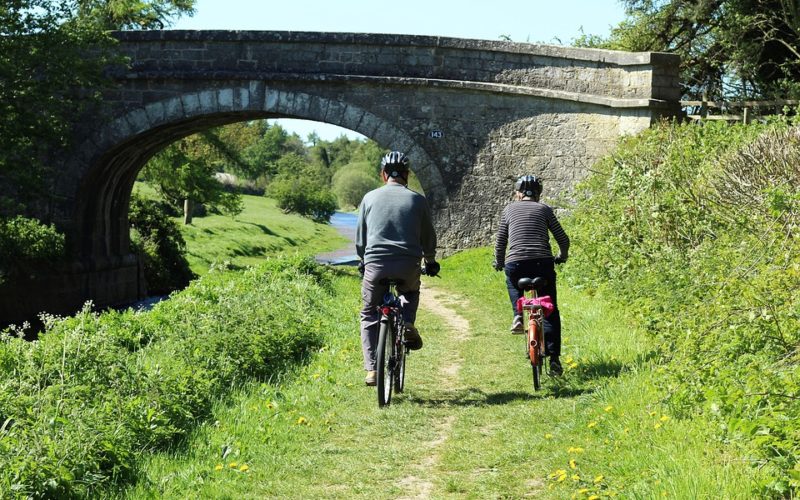
You do not need to sign up for a marathon to reap these benefits. The goal is connection, not athletic perfection. Start with a brisk evening walk, a weekend hike in the countryside, or a ten-minute stretching session in your living room. The key is consistency and presence. By dedicating time to improve your physical health together, you are inadvertently fortifying the health of your relationship. So, lace up your trainers and get moving; your bond will be stronger for it.